Tangia: the Marrakech dish to understand
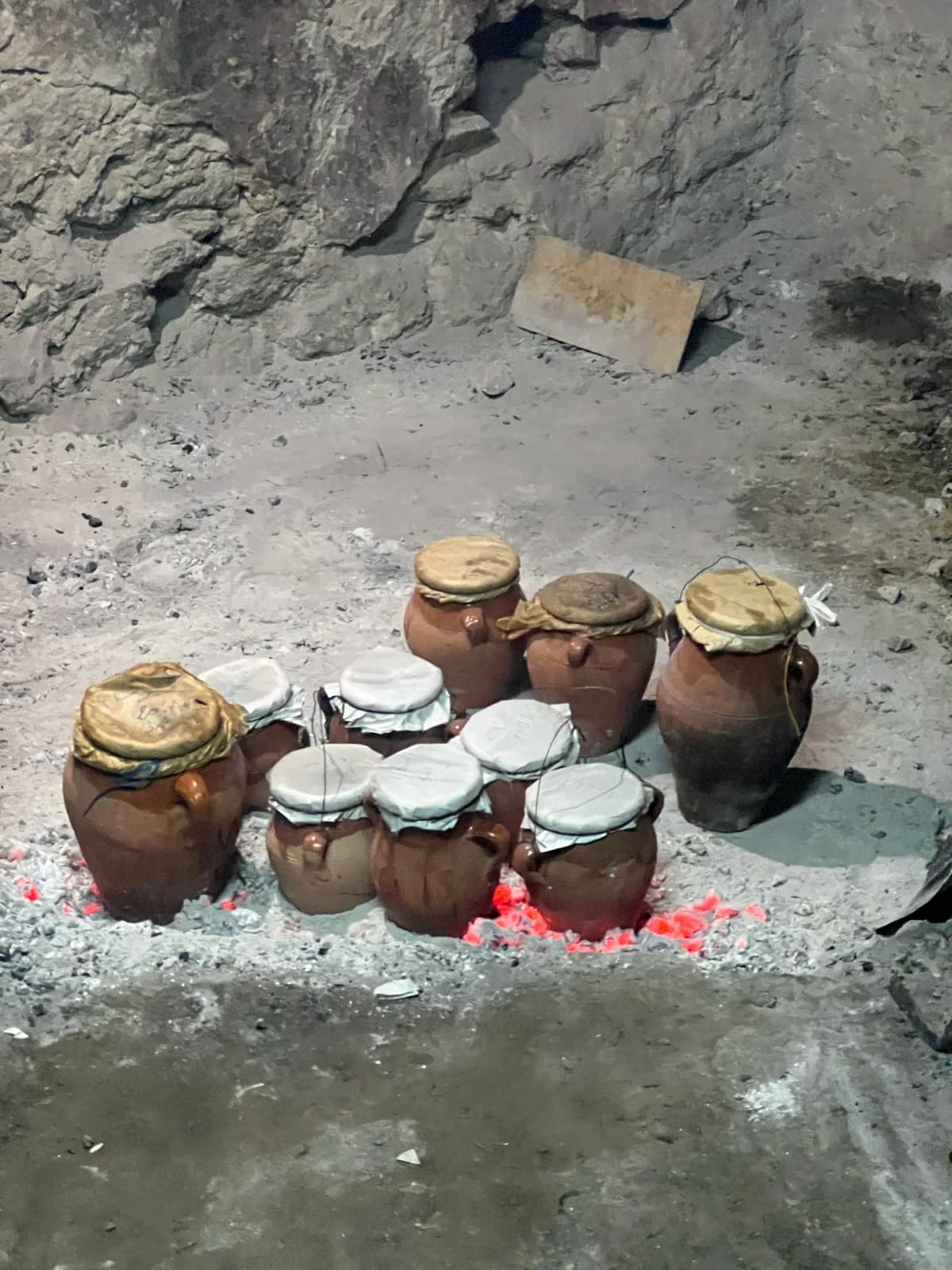
Tangia refers both to the slow-cooked dish and the clay vessel traditionally used to prepare it. It is closely associated with Marrakech and is different from tagine in both vessel and cooking method.
If you want to try one city-specific dish rather than ordering a generic 'Moroccan menu', tangia deserves that place.
Msemen, bread and everyday snacks
Msemen is a layered flatbread eaten in different contexts, including breakfast and savory evening versions. Bread is central to Moroccan meals and often functions as the utensil for shared dishes.
Sfanj, a light fried dough, is another simple food worth trying when you find a good fresh batch.
Harira, dates and chebakia
Harira is a soup strongly associated with the breaking of the fast during Ramadan, though it is eaten outside Ramadan too. Dates and chebakia often appear alongside it in Ramadan traditions.
Understanding the context matters more than treating every item as a checklist sample.
Olives, spices and market tasting
Moroccan olive varieties differ in curing, seasoning and use. A proper tasting can show more range than the small dish that arrives automatically at a restaurant.
Spice stalls are visually impressive, but do not assume every colorful powder is a rare local ingredient. Ask what it is used for in actual cooking.
Street food and food safety
Choose busy stalls with visible turnover, cooked food served hot and ingredients handled cleanly. No guide can guarantee an allergen-free environment in a working market.
If you have serious allergies, share them before booking so the route can be adjusted and expectations set honestly.
Our evening food route
Our private Marrakech food tour normally combines savory msemen, soup with dates and chebakia, olive tasting, tangia, an arranged vegetarian specialty, pastries and fresh juice. The exact stops depend on opening and quality on the night.
The point is not simply volume. We explain the relationship between the foods, Ramadan traditions and Marrakech eating habits as we move through the evening medina.
Frequently asked questions
What food is Marrakech famous for?
Tangia is the most distinctly Marrakchi dish to know. Msemen, harira, olives, pastries and fresh juice also fit naturally into a food-focused visit.
Can vegetarians join a Marrakech food tour?
Yes, but alternatives should be arranged in advance. Not every traditional dish can be substituted spontaneously.
Is street food safe in Marrakech?
Risk can never be eliminated. Choose busy, clean-looking stalls with good turnover and food served at the appropriate temperature.
Want to eat Marrakech instead of just reading about it?
Our private evening route is built around foods we actually eat and explain, with dietary needs discussed before the tour.
See the food tour →